Medical Website Design and Development Is the Foundation of Modern Healthcare Success
Discover expert medical website design and development services for hospitals and healthcare systems in the USA.
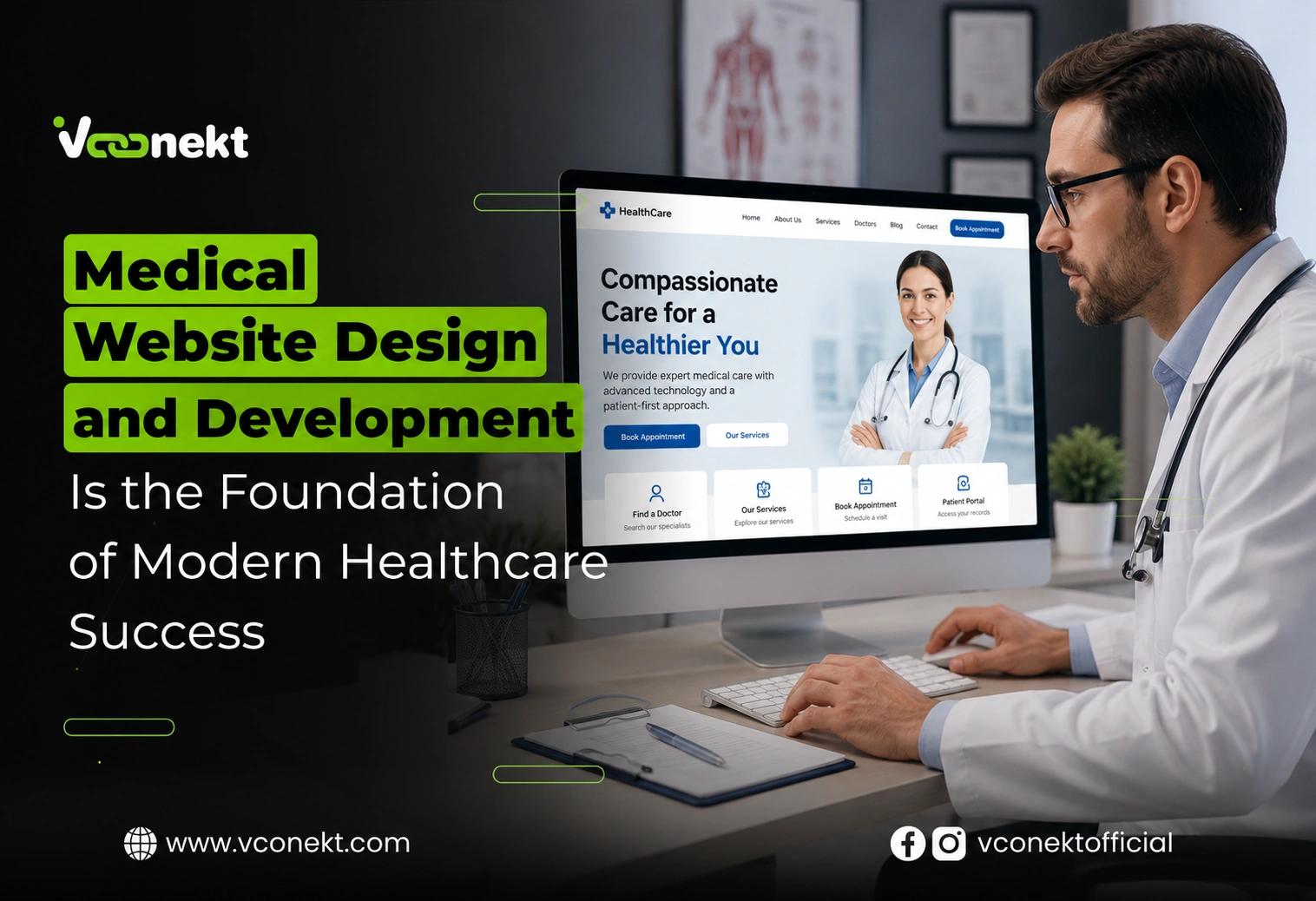
Medical website design and development has become one of the most important investments for hospitals and healthcare systems in the United States. Today, patients search online before choosing a healthcare provider, scheduling appointments, or learning about medical services. A professionally designed website not only builds trust but also improves patient engagement, increases appointment bookings, and strengthens your healthcare organization's online reputation.
As the healthcare industry continues to embrace digital transformation, hospitals need websites that are fast, secure, mobile-friendly, HIPAA-conscious, and optimized for search engines. An outdated website can cause potential patients to leave within seconds, while a modern healthcare website can significantly increase conversions and improve patient satisfaction.
Whether you operate a hospital, specialty clinic, physician network, or healthcare system, investing in professional medical website design and development ensures your organization remains competitive in an increasingly digital healthcare landscape.
Why Medical Website Design and Development Matters More Than Ever
Healthcare consumers have changed dramatically over the past decade. Most patients begin their healthcare journey with an online search before contacting a provider. They compare hospitals, read reviews, explore services, and evaluate websites before making healthcare decisions.
An exceptional healthcare website serves as your organization's digital front door.
Professional medical website design and development helps healthcare organizations:
Increase patient trust
Improve online visibility
Generate more appointment requests
Enhance patient communication
Educate visitors with valuable healthcare information
Reduce administrative workload through online tools
Strengthen brand credibility
Improve patient retention
For hospitals and health systems, every website visitor represents a potential patient. Your website should guide them from their first search to booking an appointment with confidence.
What Makes an Outstanding Medical Website?
Healthcare websites are very different from traditional business websites. Patients expect professionalism, accessibility, speed, and security when visiting a medical website.
A successful healthcare website combines excellent user experience with reliable technology.
Essential elements include:
Responsive Healthcare Website Design
Patients search from smartphones, tablets, desktops, and laptops throughout the day.
Responsive medical website design and development ensures every visitor enjoys a seamless browsing experience regardless of device.
Benefits include:
Faster navigation
Better patient experience
Higher Google rankings
Increased appointment requests
Lower bounce rates
Google prioritizes mobile-friendly websites, making responsive design an essential ranking factor.
Fast Website Performance
Website speed directly impacts patient satisfaction.
Research consistently shows users abandon websites that take more than a few seconds to load.
Fast healthcare websites provide:
Better user experience
Improved SEO performance
Higher conversion rates
Increased patient engagement
Optimizing images, minimizing code, using modern hosting, and implementing caching strategies all contribute to faster website performance.
Easy Navigation for Patients
Patients often visit healthcare websites when they are stressed or looking for urgent information.
Simple navigation helps visitors quickly locate:
Medical specialties
Physician directories
Appointment scheduling
Insurance information
Contact details
Hospital locations
Emergency services
Patient resources
Well-organized navigation improves user experience while reducing frustration.
Medical Website Design and Development Improves Patient Experience
Healthcare is built on trust, and patient experience begins long before someone enters a hospital.
Your website should provide visitors with confidence from their very first interaction.
Professional medical website design and development improves patient experience by offering:
Online Appointment Scheduling
Patients appreciate convenient scheduling without making phone calls.
Online appointment booking helps:
Reduce front desk workload
Increase scheduling efficiency
Improve patient satisfaction
Reduce missed appointments
Hospitals using digital scheduling systems often experience increased operational efficiency.
Physician Profiles
Patients want to know more about their doctors before booking appointments.
Detailed physician profiles should include:
Medical specialties
Certifications
Education
Experience
Professional memberships
Languages spoken
Patient testimonials
These pages build confidence and encourage appointment requests.
Educational Medical Content
Quality educational content positions hospitals as trusted healthcare authorities.
Examples include:
Health blogs
Wellness tips
Disease prevention guides
Treatment explanations
Frequently asked questions
Patient resources
Educational content also supports healthcare SEO by targeting valuable search queries.
Healthcare Website Development Requires Strong Security
Security is critical in healthcare.
Patients expect hospitals to protect sensitive information.
Professional medical website design and development incorporates multiple security layers, including:
SSL Encryption
SSL certificates encrypt communication between patients and websites.
Benefits include:
Secure browsing
Improved Google rankings
Increased patient trust
Visitors are much more likely to submit forms when they see secure website indicators.
HIPAA-Conscious Web Development
Healthcare organizations must prioritize patient privacy.
Although HIPAA compliance depends on how patient information is collected, stored, and transmitted, healthcare websites should be developed with privacy and security best practices in mind.
Important considerations include:
Secure contact forms
Encrypted data transmission
Access controls
Secure hosting
Regular software updates
Hospitals should work with experienced healthcare web developers who understand these requirements.
SEO Benefits of Medical Website Design and Development
A beautiful website alone is not enough.
Patients must actually find your website when searching online.
That's where SEO becomes essential.
Professional medical website design and development includes technical SEO from the beginning, making it easier for Google to crawl, understand, and rank your website.
SEO advantages include:
Increased organic traffic
Better keyword rankings
More qualified visitors
Higher appointment requests
Stronger local visibility
Healthcare organizations that invest in SEO consistently outperform competitors relying solely on paid advertising.
High-Value Keywords That Support Medical Website Design and Development
An effective healthcare SEO strategy targets a mix of primary and related search terms.
Some of the most valuable keywords include:
Medical website design and development
Healthcare website design
Medical web development
Healthcare website development
Hospital website design
Doctor website design
Physician website design
Medical practice website
Healthcare SEO
Healthcare digital marketing
Responsive medical websites
HIPAA-conscious healthcare websites
Patient portal development
Healthcare web design agency
Healthcare website optimization
Using these keywords naturally throughout your website helps improve relevance while attracting qualified traffic from search engines.
Why Hospitals Need a Specialized Healthcare Web Design Partner
Designing a healthcare website requires much more than visual creativity.
Healthcare organizations need a partner who understands:
Patient behavior
Healthcare regulations
Accessibility standards
Technical SEO
Conversion optimization
User experience
Website security
Healthcare branding
Choosing an experienced agency ensures your website supports both patient needs and organizational goals.
Advanced Features Every Medical Website Should Include
A modern healthcare website should do far more than display contact information. Hospitals and health systems need digital platforms that improve patient care, streamline operations, and encourage meaningful engagement. Investing in medical website design and development allows healthcare organizations to integrate advanced tools that enhance both the patient experience and administrative efficiency.
Secure Patient Portals
Patient portals have become an essential feature of modern healthcare websites. They allow patients to access their medical information anytime while reducing the workload on hospital staff.
A secure patient portal can include:
Appointment scheduling and management
Access to laboratory results
Prescription refill requests
Secure messaging with providers
Medical records access
Online bill payment
Insurance information
These capabilities improve convenience while strengthening patient satisfaction and loyalty.
AI-Powered Chat Support
Artificial intelligence is transforming healthcare communication. AI-powered chatbots can answer common patient questions, guide visitors to the appropriate department, and collect appointment requests 24/7.
Benefits include:
Faster patient responses
Reduced call center volume
Increased appointment bookings
Better patient engagement
Around-the-clock availability
Hospitals using AI-assisted communication often improve operational efficiency while delivering a better digital experience.
Interactive Physician Directory
A searchable physician directory makes it easier for patients to find the right provider.
Filters may include:
Specialty
Hospital location
Language
Gender
Insurance accepted
Availability
An intuitive directory shortens the patient's decision-making process and increases appointment conversions.
Accessibility for Every Patient
Healthcare websites should be accessible to everyone, including individuals with disabilities.
Professional medical website design and development should follow recognized accessibility best practices, such as:
Keyboard-friendly navigation
Alternative text for images
Readable typography
High color contrast
Screen-reader compatibility
Clear navigation structure
Accessible websites improve usability for all visitors and demonstrate a commitment to inclusive healthcare.
Local SEO Is Essential for Hospitals and Healthcare Systems
Many patients search for healthcare providers near their homes or workplaces. That's why local SEO should be integrated into every medical website design and development strategy.
Examples of common searches include:
Hospital near me
Emergency room in my city
Cardiologist near me
Best orthopedic hospital
Pediatric clinic nearby
To improve local visibility, hospitals should:
Optimize service pages for local keywords
Maintain accurate business information
Encourage patient reviews
Create location-specific landing pages
Use healthcare-related structured data where appropriate
Publish locally relevant health content
Strong local SEO helps hospitals appear in local search results, increasing qualified traffic and appointment requests.
Content Marketing Strengthens Medical Website Design and Development
Search engines reward websites that consistently publish valuable, trustworthy content. For healthcare organizations, content marketing is an excellent way to educate patients while improving search visibility.
Consider publishing articles about:
Preventive healthcare
Seasonal illnesses
Nutrition advice
Chronic disease management
Mental wellness
Women's health
Children's healthcare
Heart health
Diabetes management
Medical technology updates
Educational content demonstrates expertise, builds trust, and supports long-term SEO growth.
Common Medical Website Design Mistakes to Avoid
Even well-known healthcare organizations can lose potential patients because of poor website experiences.
Common mistakes include:
Slow Website Speed
A slow-loading website frustrates visitors and negatively affects search rankings.
Outdated Design
An old or cluttered design may cause patients to question the quality of care your organization provides.
Poor Mobile Experience
With most healthcare searches occurring on mobile devices, responsive design is no longer optional.
Difficult Appointment Booking
Patients should never struggle to request an appointment. Simplifying the booking process can significantly improve conversion rates.
Weak SEO Strategy
Without proper keyword optimization, technical SEO, and high-quality content, even the best-designed website may fail to attract organic traffic.
Future Trends in Medical Website Design and Development
Healthcare technology continues to evolve, and hospitals should stay ahead of emerging digital trends.
Some of the most important innovations include:
AI-powered patient assistants
Voice search optimization
Telemedicine integration
Personalized patient experiences
Predictive analytics
Online symptom assessment tools
Interactive patient education resources
Secure digital communication platforms
Organizations that adopt these innovations early can strengthen patient engagement and remain competitive in an increasingly digital healthcare landscape.
Why Choose VConekt for Medical Website Design and Development?
When hospitals and healthcare systems need reliable, scalable, and results-driven medical website design and development, choosing the right partner is critical.
VConekt agency specializes in creating high-performance healthcare websites that combine exceptional design, technical excellence, and proven SEO strategies. Our team understands the unique challenges faced by hospitals, physician groups, specialty clinics, and healthcare organizations across the United States.
Our services include:
Custom medical website design
Healthcare website development
Responsive web design
Technical SEO implementation
Website speed optimization
Secure website architecture
Content management system development
Local SEO for healthcare providers
Conversion rate optimization
Ongoing website maintenance and support
Every healthcare website we build is designed with patients in mind while supporting your organization's long-term growth objectives.
Whether you're launching a new hospital website or modernizing an existing healthcare platform, VConekt delivers solutions that help healthcare professionals attract more patients, improve engagement, and grow their online presence.
Conclusion
Today's patients expect fast, secure, informative, and user-friendly digital experiences. Investing in professional medical website design and development is no longer optional for hospitals and healthcare systems—it is a strategic necessity.
A modern healthcare website strengthens your online presence, improves patient satisfaction, increases appointment requests, and supports long-term organizational growth. By combining responsive design, strong security practices, patient-focused functionality, and an effective SEO strategy, healthcare organizations can build lasting trust while reaching more people through Google Search.
If your hospital or healthcare system is ready to transform its digital presence, partnering with an experienced agency can make all the difference.
VConekt provides expert medical website design and development services tailored specifically for healthcare professionals, hospitals, and health systems throughout the United States. From custom website design and healthcare SEO to secure web development and ongoing optimization, our team is committed to helping your organization attract more patients, increase online visibility, and achieve measurable business growth.
For further reading, we highly recommend checking out these blogs:
No Code Web Design Tools | Framer AI & VConekt Experts
Framer AI Website Builder Review 2026
Does Framer Have Variables? Everything You Need to Know
Framer Components: Complete Guide for Faster Website Development
Framer Marketplace: Complete Guide to Templates, Plugins & Components
Frequently Asked Questions
MORE INSIGHTS
No Code Web Design Tools | Framer AI & VConekt Experts
Explore no code web design tools with Framer AI. Build fast, SEO-friendly websites with certified Framer experts at VConekt.
Framer Community Templates
Discover how Framer community templates help you launch professional websites faster. Learn how to choose, customize, and optimize templates with certified Framer experts from VConekt.
Framer AI Website Builder Review 2026
Read our Framer AI Website Builder Review 2026. Explore features, pricing, SEO, pros, cons, and why VConekt is your Framer expert.